Sticky Orange Gochujang Salmon Bowl
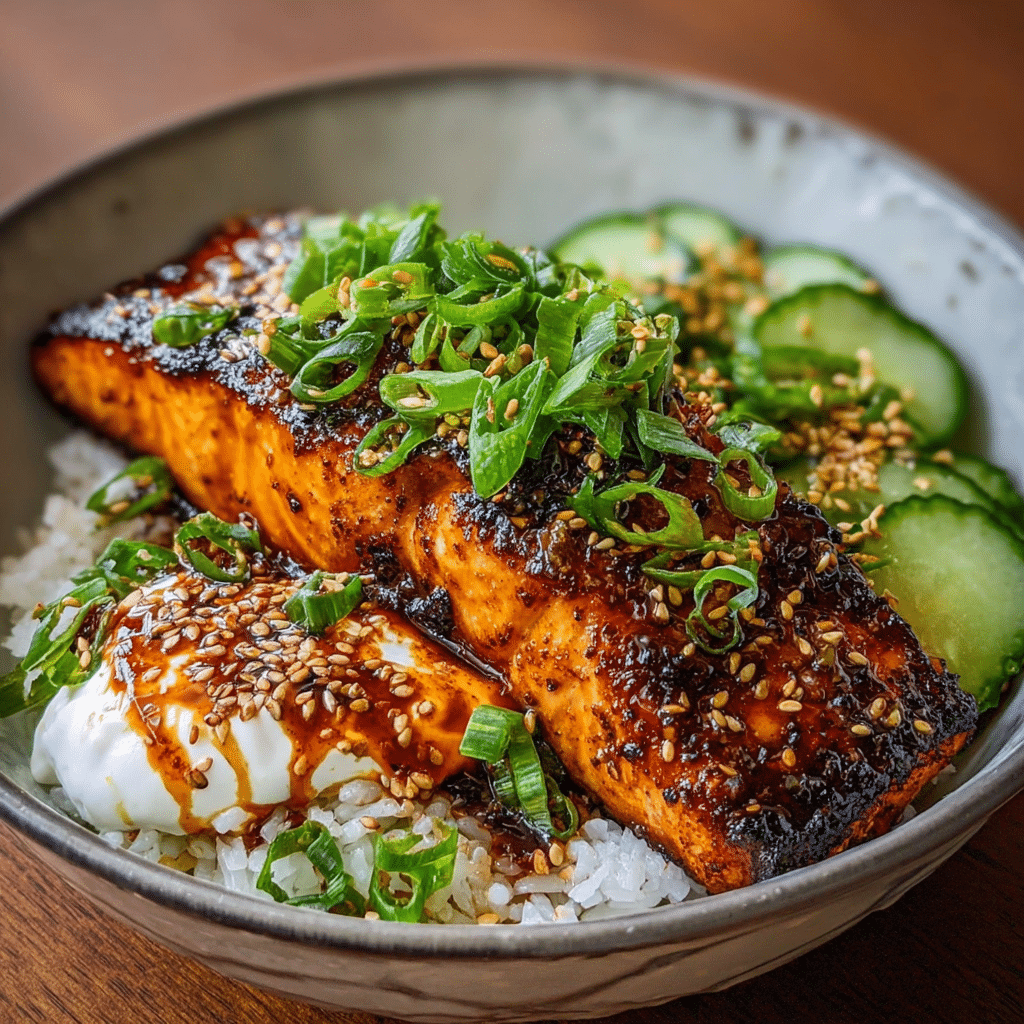
If you’re craving a dish that melds vibrant flavors, satisfying textures, and eye-catching color, the Sticky Orange Gochujang Salmon Bowl is your next go-to meal. This recipe perfectly captures the irresistible harmony of sweet, spicy, and savory notes, marrying tender salmon glazed with a luscious orange gochujang sauce over a bed of fresh veggies and rice. It’s easy to prepare, bursting with flavor, and totally worth every bite.
Why You’ll Love This Recipe
- Flavor Explosion: The combination of orange zest, sticky gochujang chili paste, and tender salmon creates a perfect balance that brightens every bite.
- Simple Ingredients: Using pantry staples and fresh produce means you can whip this up without hunting down specialty items.
- Quick Preparation: Ready in under 30 minutes, it’s ideal for busy weeknights or last-minute dinner plans.
- Nutritious and Filling: Loaded with protein, healthy fats, and fiber, this bowl satisfies hunger and fuels your body.
- Visually Stunning: The bright orange glaze atop pink salmon, paired with greens and rice, makes a feast for the eyes as well as the palate.
Ingredients You’ll Need
Each ingredient in the Sticky Orange Gochujang Salmon Bowl plays a key role in delivering that perfect balance of flavors and textures, making this recipe straightforward yet exciting. From the sweetness of orange juice to the kick of gochujang and the richness of salmon, it’s a flavorful adventure in every bite.
- Salmon fillets: Fresh, skin-on salmon ensures juicy, tender results and a crispy skin finish when cooked well.
- Gochujang paste: This Korean chili paste provides the ideal spicy and savory depth essential for the glaze.
- Fresh orange juice and zest: Brightens the glaze with a sweet and tangy citrus flavor that complements the spicy gochujang.
- Soy sauce: Adds a salty, umami backbone that balances the sweetness and heat.
- Honey or maple syrup: Gives the glaze its sticky, caramelized finish and natural sweetness.
- Garlic and ginger: These aromatics lift the entire dish with warm, aromatic undertones.
- Cooked jasmine or brown rice: Provides a fluffy, neutral base to absorb the sticky sauce perfectly.
- Vegetables (such as avocado, cucumber, spinach): Fresh veggies add crunch, creaminess, and vibrant color, rounding out the bowl.
- Sesame seeds and green onions: The finishing touches that add texture and a mild nuttiness.
Variations for Sticky Orange Gochujang Salmon Bowl
One of the best parts about the Sticky Orange Gochujang Salmon Bowl is its versatility. Feel free to get creative by swapping ingredients or adjusting flavors to suit your dietary preferences or what’s in your kitchen. It’s very forgiving and open to customization.
- Protein swap: Substitute salmon with tofu or shrimp for a plant-based or seafood twist.
- Grain alternative: Use quinoa, cauliflower rice, or soba noodles as a different base.
- Heat level: Adjust gochujang quantity or add red pepper flakes for milder or spicier results.
- Additional veggies: Add steamed broccoli, roasted sweet potato, or pickled radishes for extra crunch and nutrition.
- Nutty uplift: Top with toasted peanuts or cashews for added texture and richness.

How to Make Sticky Orange Gochujang Salmon Bowl
Step 1: Prepare the glaze
In a small bowl, whisk together gochujang paste, freshly squeezed orange juice, orange zest, soy sauce, honey, minced garlic, and grated ginger until smooth and well combined.
Step 2: Marinate the salmon
Place the salmon fillets in a shallow dish and pour half of the glaze over them, turning to coat evenly. Let them marinate for 10 to 15 minutes to soak up the flavors.
Step 3: Cook the rice and prep veggies
While the salmon marinates, cook your chosen rice according to package instructions and prepare your fresh vegetables by slicing cucumber, dicing avocado, and washing greens.
Step 4: Cook the salmon
Heat a skillet over medium-high heat with a touch of oil, then place salmon skin-side down. Cook for 4–5 minutes until the skin crisps up, then flip and brush the remaining glaze on top. Cook an additional 3–4 minutes until salmon is cooked through and sticky glaze coats it beautifully.
Step 5: Assemble the bowl
Divide the rice between bowls, top with salmon fillets, and arrange fresh vegetables on the side. Sprinkle sesame seeds and sliced green onions over everything, and drizzle any extra glaze leftover from the pan.
Pro Tips for Making Sticky Orange Gochujang Salmon Bowl
- Use fresh ingredients: Fresh orange juice and zest make all the difference in brightening the glaze.
- Don’t overcook salmon: Cook until just opaque for a tender, juicy texture that flakes easily.
- Pat salmon dry: Before marinating, this helps the glaze stick better and skin to crisp nicely.
- Balance flavors carefully: Adjust sweetness, saltiness, and spice to your taste by tasting the glaze before cooking.
- Rest before serving: Let the salmon rest for a couple of minutes after cooking to lock in juices.
How to Serve Sticky Orange Gochujang Salmon Bowl
Garnishes
Add sliced green onions, toasted sesame seeds, and a sprinkle of fresh cilantro or microgreens for a burst of color and refreshing flavor.
Side Dishes
Pair with light sides such as a crisp cucumber salad, pickled carrots, or steamed edamame to keep the meal balanced and satisfying.
Creative Ways to Present
Serve the bowl in vibrant ceramic dishes or bamboo bowls to enhance the visual appeal and give it an authentic, earthy flair perfect for entertaining or a favorite weeknight meal.
Make Ahead and Storage
Storing Leftovers
Place leftover salmon and rice in airtight containers and refrigerate for up to 2 days to maintain freshness and flavor.
Freezing
Although best fresh, you can freeze cooked salmon separately wrapped well for up to 1 month; thaw gently in the refrigerator before reheating.
Reheating
Warm leftovers gently in a skillet over low heat or in the microwave to prevent drying out the salmon and keep the glaze sticky and delicious.
FAQs
Can I use frozen salmon for this recipe?
Yes, frozen salmon works perfectly; just thaw it completely before marinating and cooking for even results.
Is gochujang paste very spicy?
Gochujang has a mild heat with a deep, fermented flavor and slight sweetness; adjust the amount based on your preferred spice level.
Can I make this recipe gluten-free?
Absolutely, by using gluten-free soy sauce or tamari, this Sticky Orange Gochujang Salmon Bowl easily fits a gluten-free diet.
What can I substitute for honey?
Maple syrup, agave nectar, or brown sugar all work well as natural sweeteners to replace honey in the glaze.
How do I get crispy salmon skin?
Ensure the skin is dry before cooking, cook skin-side down in a hot pan without moving for several minutes, and finish flipping just before serving.
Final Thoughts
Give the Sticky Orange Gochujang Salmon Bowl a try and discover why this flavorful, quick, and nourishing recipe has captured so many hearts. It’s a dish that feels special yet is unbelievably easy to prepare — perfect for sharing and enjoying anytime you crave something both comforting and exciting.
Related Posts
Print
Sticky Orange Gochujang Salmon Bowl
- Total Time: 30 minutes
- Yield: 4 servings 1x
- Diet: Gluten Free
Description
The Sticky Orange Gochujang Salmon Bowl is a vibrant, flavorful dish featuring tender salmon glazed with a sticky orange and gochujang sauce, served over a bed of fluffy rice and fresh vegetables. Combining sweet, spicy, and savory notes, this quick and nutritious meal is perfect for busy weeknights and satisfying any craving for a colorful and delicious bowl.
Ingredients
For the Salmon and Glaze
- 4 skin-on salmon fillets (about 6 oz each)
- 2 tablespoons gochujang paste
- 1/3 cup fresh orange juice
- 1 teaspoon orange zest
- 2 tablespoons soy sauce (use gluten-free tamari for gluten-free)
- 1 tablespoon honey or maple syrup
- 2 cloves garlic, minced
- 1 teaspoon grated fresh ginger
For the Base and Vegetables
- 2 cups cooked jasmine or brown rice
- 1 avocado, diced
- 1/2 cucumber, sliced
- 1 cup fresh spinach or mixed greens
For Garnish
- 1 tablespoon sesame seeds, toasted
- 2 green onions, thinly sliced
- Optional: fresh cilantro or microgreens for garnish
Instructions
- Prepare the glaze: In a small bowl, whisk together gochujang paste, fresh orange juice, orange zest, soy sauce, honey (or maple syrup), minced garlic, and grated ginger until smooth and well combined.
- Marinate the salmon: Place the salmon fillets in a shallow dish and pour half of the glaze over them. Turn to coat evenly and let marinate for 10 to 15 minutes to absorb the flavors.
- Cook the rice and prep veggies: While the salmon marinates, cook your chosen rice according to package instructions. Slice the cucumber, dice the avocado, and wash the spinach or mixed greens.
- Cook the salmon: Heat a skillet over medium-high heat with a small amount of oil. Place the salmon skin-side down and cook for 4 to 5 minutes until the skin crisps up. Flip the salmon, brush the remaining glaze on top, and cook an additional 3 to 4 minutes until salmon is cooked through and the glaze is sticky and caramelized.
- Assemble the bowl: Divide the cooked rice into bowls, top each with a salmon fillet, and arrange the fresh vegetables on the side. Sprinkle with toasted sesame seeds, sliced green onions, and drizzle any extra glaze leftover from the pan. Garnish with fresh cilantro or microgreens if desired.
Notes
- Use fresh orange juice and zest for the brightest flavor in the glaze.
- Pat the salmon dry before marinating to help the glaze adhere better and to achieve crispy skin.
- Do not overcook the salmon; cook until just opaque for tender, juicy results.
- Taste the glaze before cooking to adjust the balance of sweet, salty, and spicy according to your preference.
- Let the salmon rest a few minutes after cooking to lock in the juices.
- Prep Time: 15 minutes
- Cook Time: 15 minutes
- Category: Main Course
- Method: Pan-Seared
- Cuisine: Korean Fusion
Nutrition
- Serving Size: 1 bowl (1 salmon fillet with rice and vegetables)
- Calories: 520 kcal
- Sugar: 10 g
- Sodium: 600 mg
- Fat: 25 g
- Saturated Fat: 4 g
- Unsaturated Fat: 18 g
- Trans Fat: 0 g
- Carbohydrates: 40 g
- Fiber: 6 g
- Protein: 35 g
- Cholesterol: 75 mg
Keywords: salmon bowl, gochujang salmon, orange glaze salmon, Korean salmon recipe, healthy salmon bowl, spicy salmon, gluten-free salmon bowl