Bet Sizing Positive Progression: A Measured Approach to Staking
Most punters chasing a hot arvo session think bigger bets mean faster wins, but that approach ignores the underlying volatility of the game. Bet sizing positive progression works differently, scaling your stake only after a win lands rather than chasing losses during a dry spell. It suits players who treat their bankroll like a working capital budget, not a lottery ticket. You build momentum carefully, protecting the base while letting profits ride in controlled increments. That discipline separates a measured session from a blown account.
How the Staking Model Actually Works
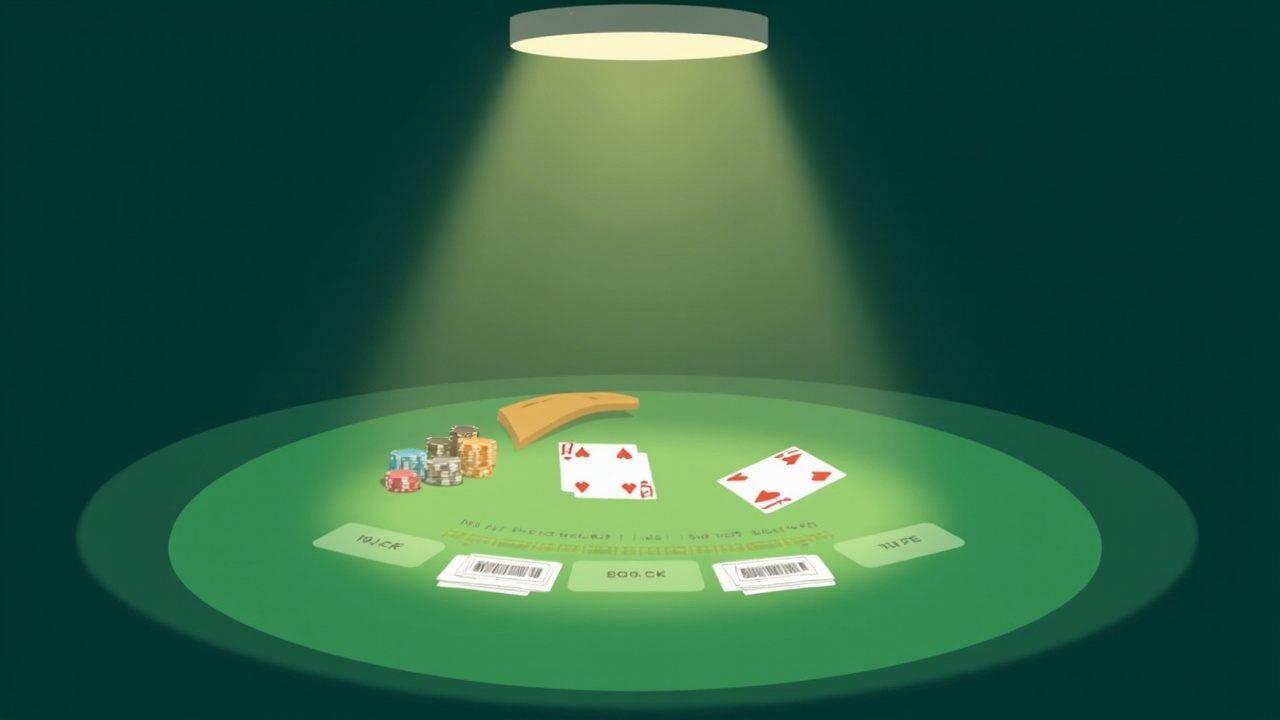
The core idea is straightforward: you start with a fixed base unit and increase your wager by a set percentage or fixed amount only when a hand or spin pays out. If the next result loses, you return to the base unit instead of digging deeper. This contrasts with negative progression systems where you raise stakes after losses, a method that can drain a balance quickly when the run goes cold. In finance terms, it resembles scaling into a position after confirmation rather than averaging down on a falling asset. You are compounding gains, not funding losses.
Consider a simple sequence on a live blackjack table. You begin with a $10 base bet. A win pushes the next stake to $12, then $14 if the run continues. A loss immediately resets you to $10. The upside is capped exposure during losing streaks, because your biggest bets only appear when the cards are already cooperating. The downside is that winning runs must be long enough to offset the smaller base bets during quiet periods. You need enough volume and a reasonable win rate to make the progression worthwhile. It is not a magic formula; it is a risk-management framework that asks you to define your exit before the session starts.
Practical Session Setup and Limits
Setting up a session around this approach means defining three numbers before you sit down: the base unit, the progression step, and the stop point. The base unit should sit comfortably within your entertainment budget, typically one to two per cent of your total session bankroll. The step determines how aggressively you scale after a win. A flat dollar increase keeps the math simple, while a percentage step grows faster and requires tighter discipline. The stop point is your profit target or session time limit, whichever comes first.
| Detail | Specification |
|---|---|
| Base unit range | $5-$25 per hand or spin |
| Progression step | $2-$5 flat or 10-20% of current stake |
| Reset rule | Return to base unit after any loss |
| Session stop | Predefined profit target or time limit |
| Currency | AUD, with local deposit and withdrawal flow |
| Verification | Standard identity check before first withdrawal |
The table above keeps the mechanics visible, because vague rules get forgotten once the cards start falling. You should also decide what happens when the progression climbs to a level that feels uncomfortable. A sensible call is to cap the maximum stake at a fixed multiple of the base unit, say four or five times, and then reset regardless of the outcome. That limit protects you from a single extended run wiping out the accumulated gains. It is the same kind of guardrail you would put around any operational budget: define the ceiling before the pressure arrives.
Isla Hill, Head of Live Casino at Pacific Wager Analytics, notes that the real value of a structured staking plan shows up in the quiet sessions, not the highlight reels. She points out that players who reset to their base unit after a loss tend to preserve enough balance to reach a favourable run, whereas those who keep raising during a cold patch often exit early with a fraction of their starting bankroll. Her caveat is direct: the system does not change the underlying odds, so it is a way to manage exposure, not a way to beat the house.
Payment flow matters here because a staking plan only works if you can move money in and out without friction. A clean cashier should accept common Australian methods, display AUD balances clearly, and process withdrawals through a standard verification step before the first payout. Processing times vary by method, so build that into your session plan rather than assuming instant access. If you want to compare current promotional offers alongside your staking rules, you can check play croco no deposit bonus codes 2023 for a snapshot of what is on the table this month. The point is to treat any bonus as a separate line item in your budget, not as a reason to inflate your base unit.

Who This Approach Suits Best
This style of play fits players who prefer steady control over aggressive chasing. It suits someone who can sit down with a written plan, follow the reset rule without emotion, and walk away when the stop point is hit. It is less suitable for players who want to double up quickly or who treat a losing streak as a signal to push harder. If you are the type who checks your balance after every hand and feels tense when the numbers dip, a positive progression may actually reduce that pressure because your largest bets only appear during winning runs.
Regional Queensland players often play longer sessions during a quiet week, and that rhythm can work well with a measured staking plan. You are not trying to force a result in one sitting; you are giving the sequence time to develop while keeping each step within a predefined range. The approach also suits players who value transparency in the cashier and want to know exactly where their money sits before and after a session. If you prefer a method that keeps the base protected and only lets profits ride, this is a reasonable alternative to the more common loss-chasing habits. play croco no deposit bonus codes 2023
Think back to that arvo session we mentioned at the start, where the instinct is to raise the bet after a couple of quiet spins. The question is whether you would rather have a system that resets after a loss, or one that keeps asking you to dig deeper when the cards are not cooperating. Bet sizing positive progression asks you to answer that question before you place the first wager, and that pre-decided rule is what keeps the session from turning into a rushed scramble at the end.